An independent photography journal
Light leaves
a trace.
Understand your camera. Find your light. Make photographs with intention.
Start reading
01 / The latest guide
Photography, explained
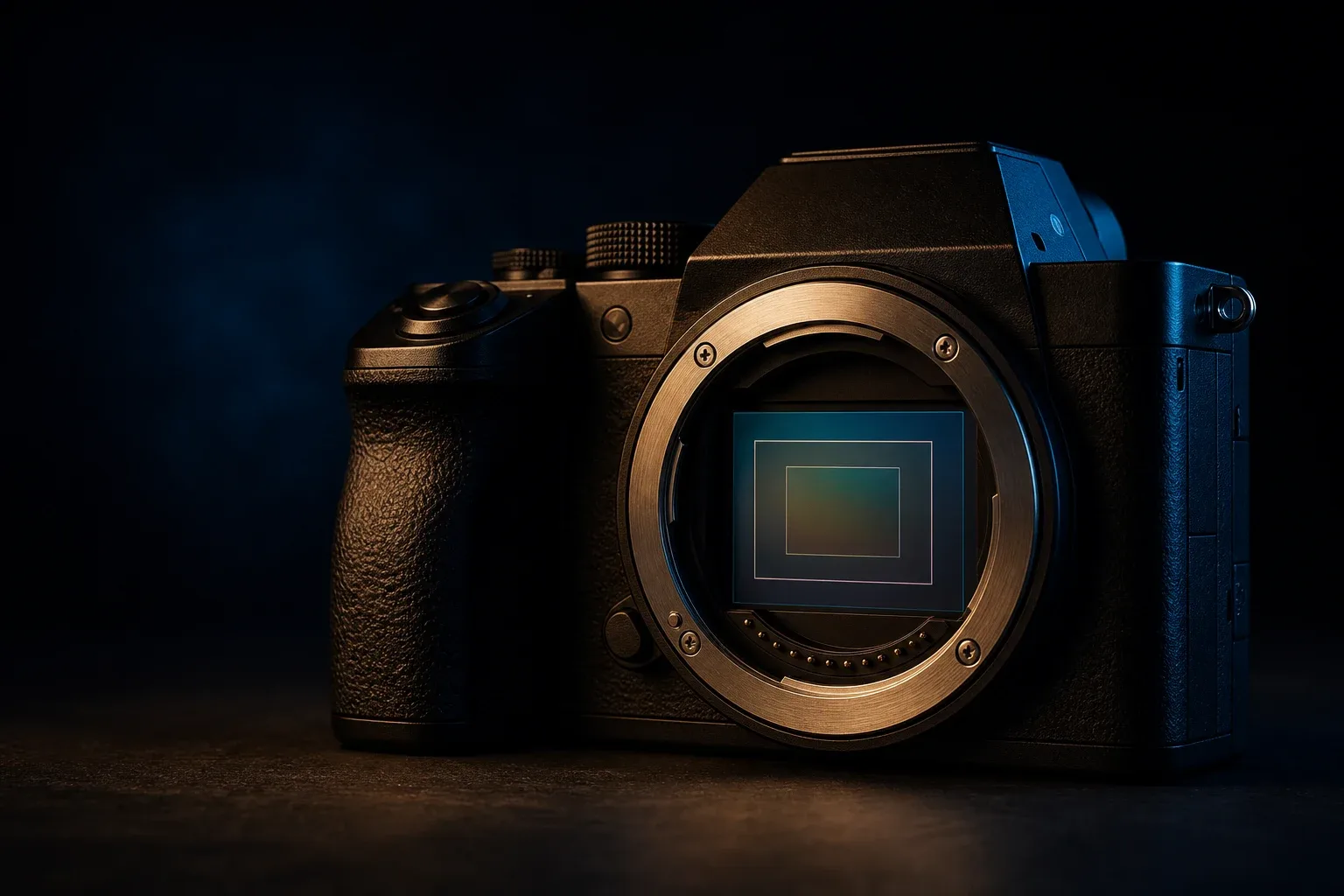
Camera Sensor Size Explained: What Actually Changes the Picture?
Learn how full frame, APS-C, and Micro Four Thirds change framing, depth of field, low-light margin, cropping, and complete kit size.
More from the journal
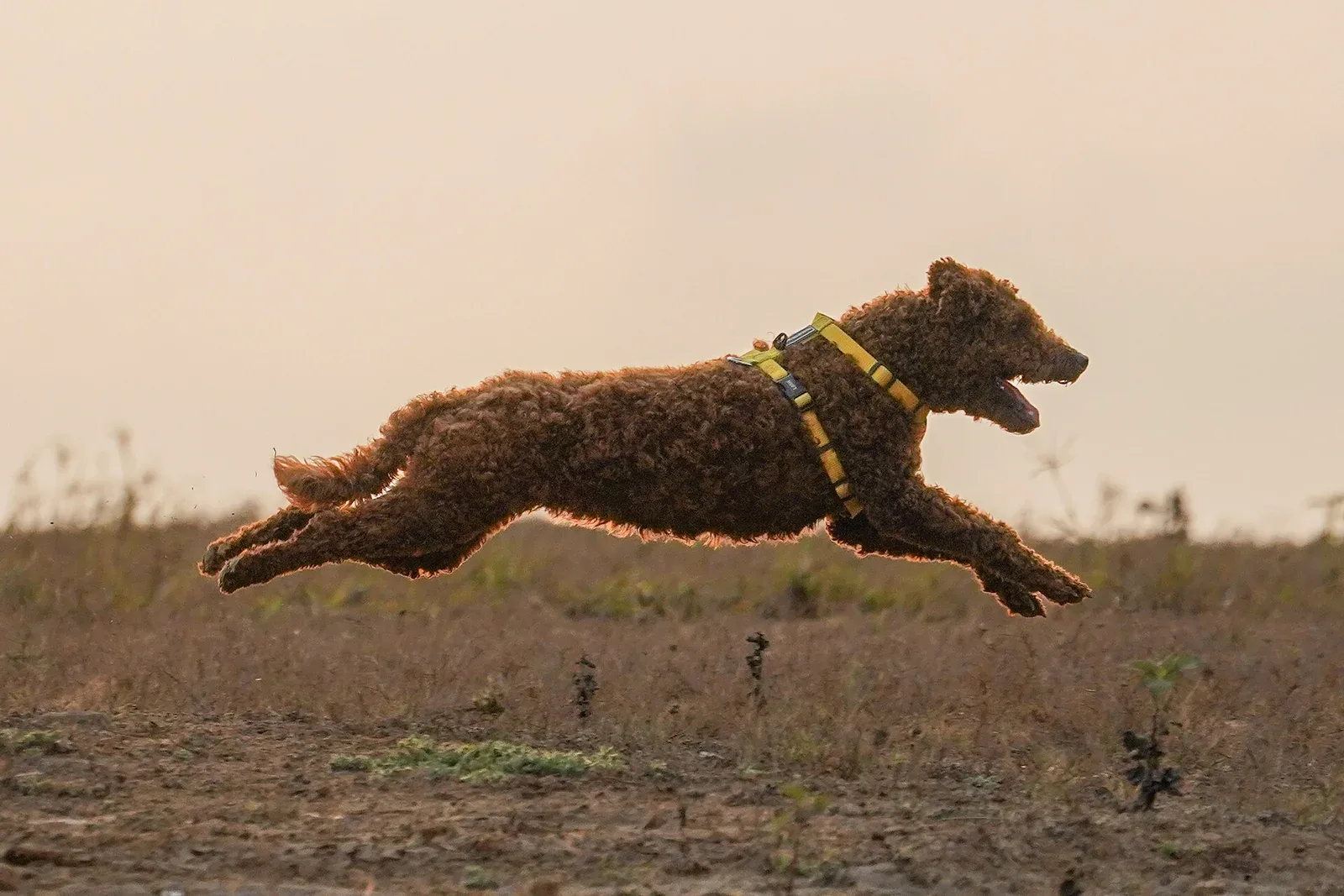
What Shutter Speed Avoids Motion Blur? Work It Out From the Subject
Divide the time your subject takes to cross the frame by 1,000 for a picture seen whole, or by about 3,000 for a 24 MP file viewed at 100%.
Read guide ↗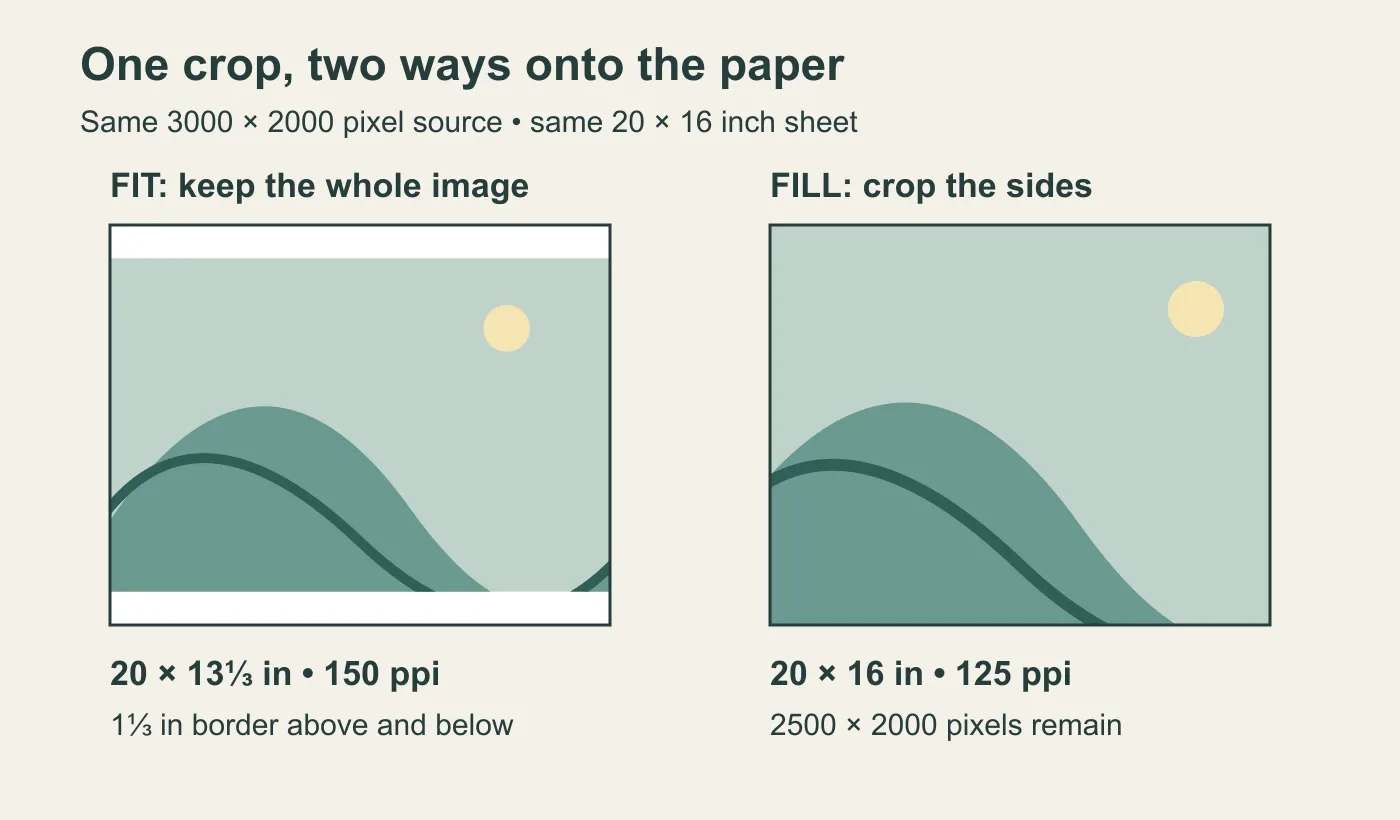
How Big Can You Print Your Photo After Cropping?
Work out print sizes from cropped pixels, choose borders or a second crop, and test a detail at full scale before ordering a large print.
Read guide ↗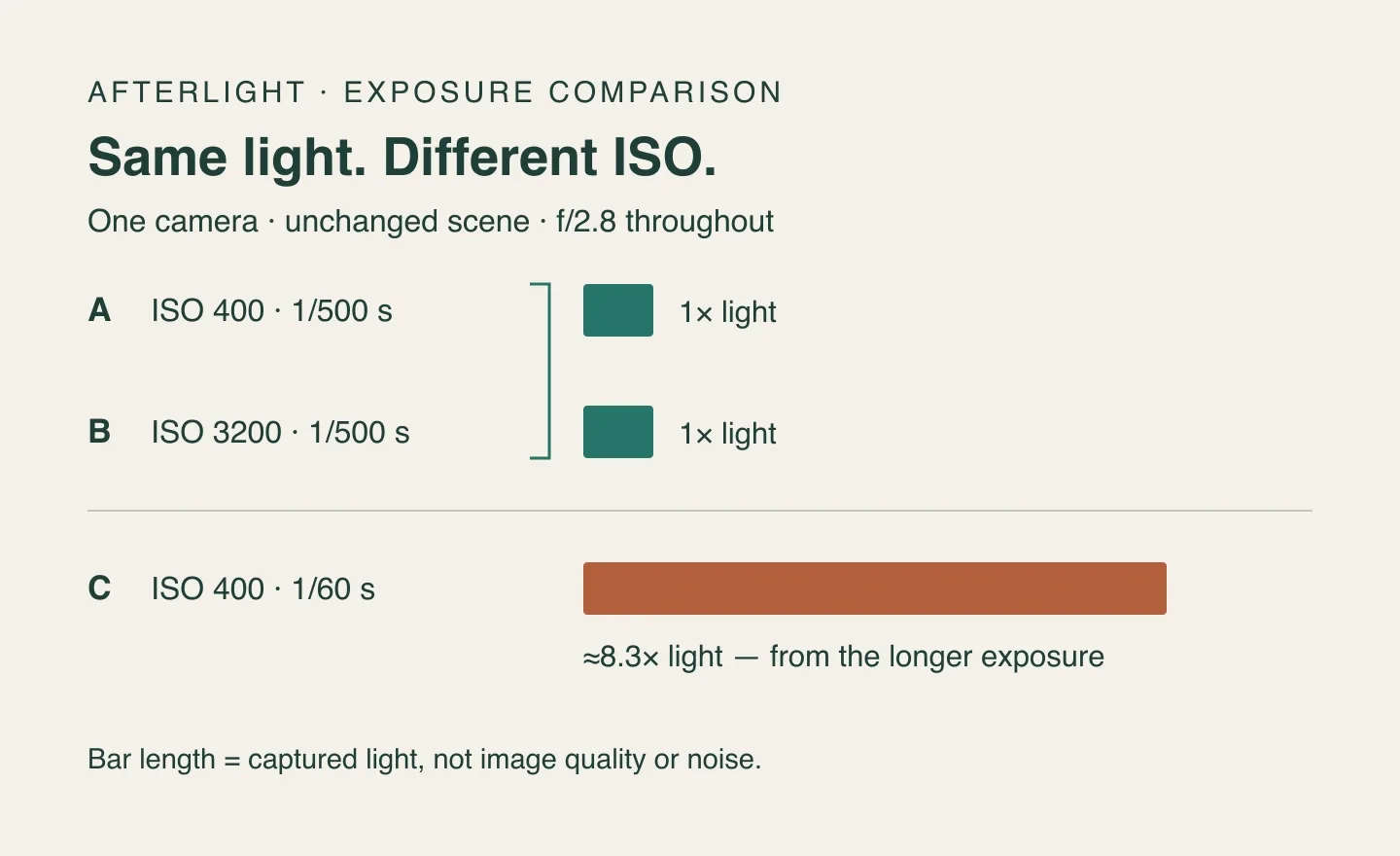
Raise ISO or Brighten Later? How to Make the Choice
Choose between raising ISO and brightening a RAW file by separating captured light, shadow noise, conversion gain and highlight detail.
Read guide ↗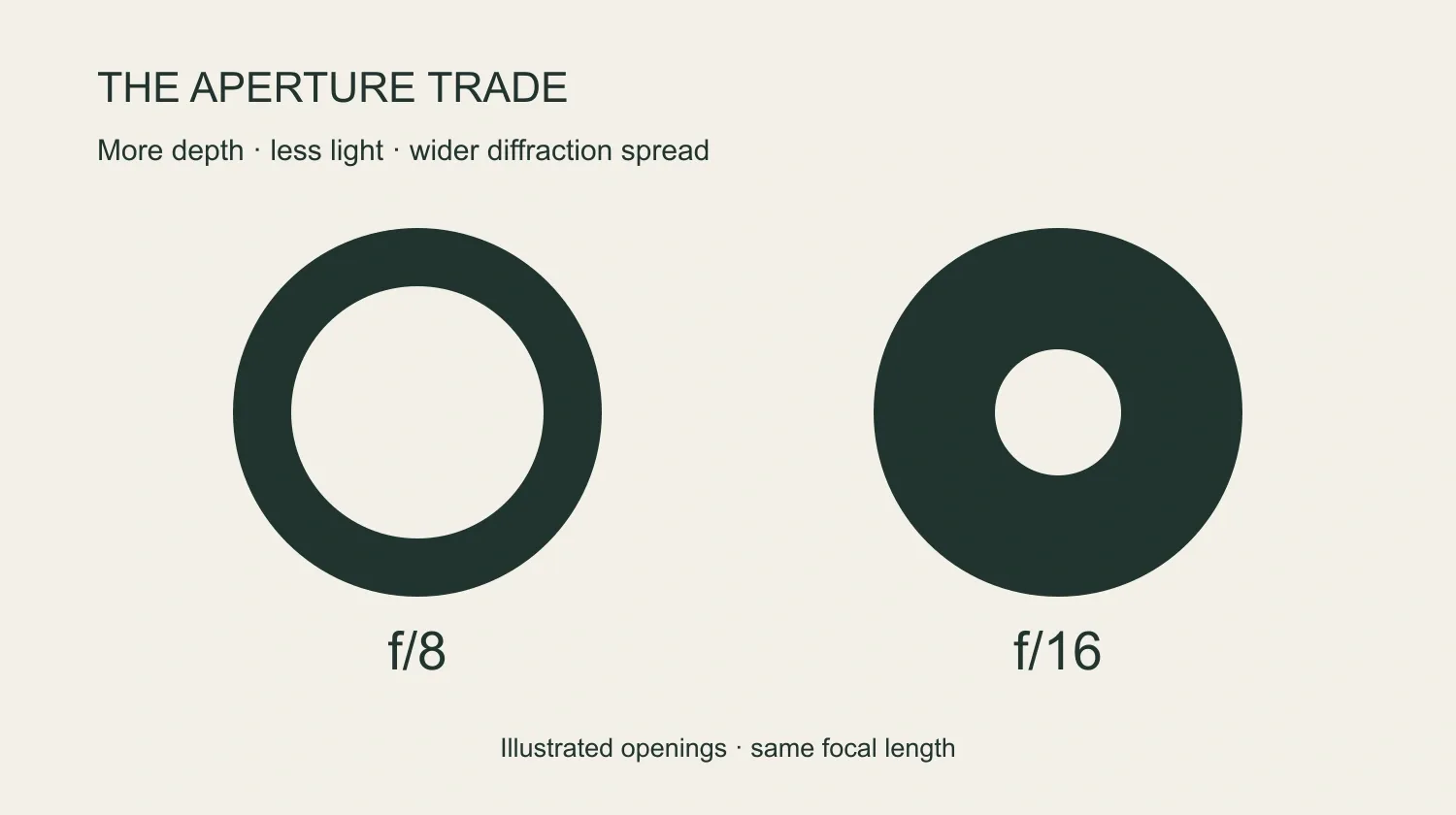
When Is f/16 Worth the Loss of Fine Detail?
Decide whether f/16 earns its diffraction cost by comparing important depths, focus placement, shutter speed and your finished output.
Read guide ↗
Why Is This Photo Soft? A Visual Troubleshooting Guide
Use real photographs to recognize clues to defocus, insufficient depth of field, subject motion and camera shake, then choose a useful retake.
Read guide ↗
Move Closer, Zoom In, or Crop? Three Ways to Fill the Frame
Choose between moving, changing focal length and cropping by separating perspective, background framing and the pixels you keep.
Read guide ↗02 / A closer look
All answersSmall questions.
Clear answers.
One photographic question at a time. A direct explanation, the reasoning behind it, and a full guide when you want to go deeper.
03 / Why Afterlight
Better photographs.
Better questions.
Afterlight is an independent, photography-first publication about cameras, light, technique, and the choices behind an image. The aim is understanding—not another reason to buy something.
Evidence, in view.
Sources sit beside the claims they support. Desk research is labeled as desk research, never disguised as a field test.
Useful at any depth.
Guides explore a subject in full. Answers resolve one specific question and connect you to the wider explanation.